30-day squat challenge
One short squat session a day for 30 days, starting at 20 reps and building to a test day. A few minutes daily, no equipment, and rest days built in.
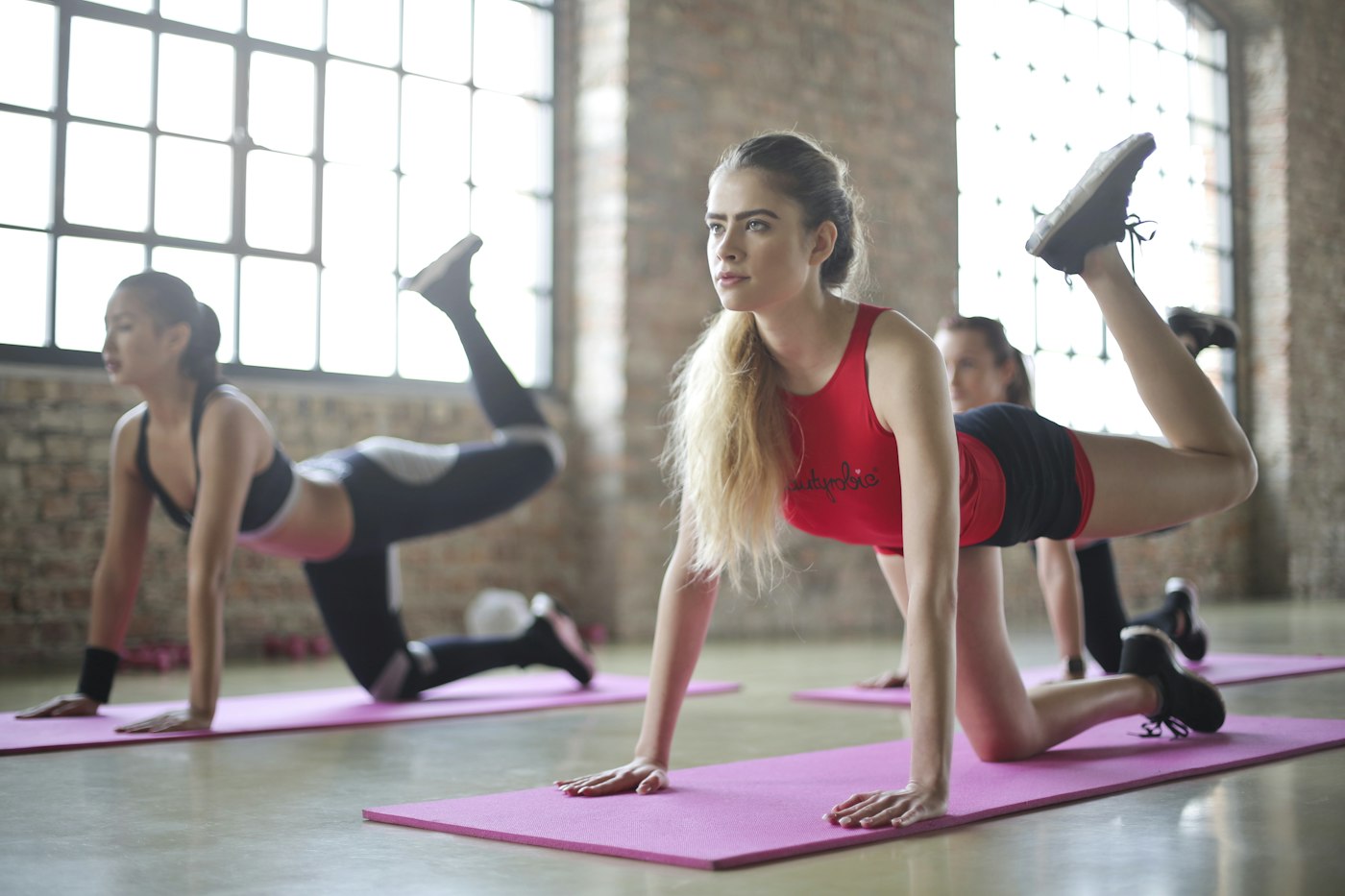
This is a bodyweight squat challenge you can do at home in a few minutes a day. Day 1 is 20 squats. The count climbs gradually, every fourth day is a rest day, and day 30 is a test rather than a huge number — so you finish on something achievable rather than a cliff.
It suits beginners and anyone returning to exercise after a break. You need no equipment and about two square feet of floor.
Before you start
This is general information, not medical advice. Check with a doctor before starting, especially if you’re pregnant or postpartum, recovering from an injury, have a medical condition, or take medication that affects balance or blood pressure. Stop if you feel sharp pain — see who should modify or skip this below.
Challenge at a glance
| Duration | 30 days |
|---|---|
| Daily time | 3–10 minutes |
| Equipment | None |
| Difficulty | Beginner, with modifications both ways |
| Goal | Better squat technique and leg endurance |
| Rest days | Every 4th day (days 4, 8, 12, 16, 20, 24, 28) |
How the challenge works
- Do the day’s number. Split it into sets however you like — four sets of 15 is the same as 60, and for most people it’s easier.
- Rest days are part of the plan, not a reward. Muscles adapt during recovery, so skipping rest days makes the challenge harder without making it more effective.
- Form beats speed. Twenty controlled squats do more than forty rushed ones, and rushed reps are where people hurt themselves.
- Scale down rather than skip. If a day’s number is too much, do what you can or use an easier variation. A reduced day counts.
- Spread it out if you want. Ten squats whenever you pass the kitchen is a perfectly valid way to reach 60.
The 30-day squat plan
| Day | Squats | Day | Squats |
|---|---|---|---|
| 1 | 20 | 16 | Rest |
| 2 | 25 | 17 | 80 |
| 3 | 30 | 18 | 85 |
| 4 | Rest | 19 | 90 |
| 5 | 35 | 20 | Rest |
| 6 | 40 | 21 | 95 |
| 7 | 45 | 22 | 100 |
| 8 | Rest | 23 | 105 |
| 9 | 50 | 24 | Rest |
| 10 | 55 | 25 | 110 |
| 11 | 60 | 26 | 115 |
| 12 | Rest | 27 | 120 |
| 13 | 65 | 28 | Rest |
| 14 | 70 | 29 | 60 (easy) |
| 15 | 75 | 30 | Test day |
Day 29 is deliberately light so you’re fresh for day 30. On test day, do as many squats as you can in good form, in one set, and write the number down. Stop the moment your technique slips — that number is the result, not a target to beat by cheating depth.
If 20 on day 1 is already a lot, start at 10 and follow the same shape, adding five every working day. The pattern matters more than the numbers.
How to do a squat properly
Technique is the whole point of a challenge like this. Five things to get right:
- Feet about shoulder-width apart, toes pointing forward or turned slightly out. Weight through the middle of the foot and the heel, not the toes.
- Depth as far as you can go while keeping your heels down and your lower back from rounding. Thighs parallel to the floor is a common target, but depth without control is worse than a shallower squat done well.
- Knees tracking in line with your toes rather than collapsing inward. It’s fine for them to travel forward over the feet.
- Chest up and spine long. Arms out in front or hands at your chest helps with balance.
- Breathing — inhale on the way down, exhale as you stand. Don’t hold your breath through a set.
Film yourself from the side once in the first week. It’s the fastest way to see what’s actually happening, and it usually looks different from how it feels.
Beginner and advanced modifications
If you need it easier
- Box or chair squats — sit back to a chair, touch it lightly, stand up. The best starting point if depth or balance is the issue.
- Partial range — go only as deep as feels controlled, and let the range grow over the month.
- Hold a support — a doorframe or counter for balance.
- Smaller sets — sets of five across the day rather than sets of twenty.
If you need it harder
- Tempo squats — three seconds down, one second up.
- Pause squats — hold two seconds at the bottom.
- Jump squats for part of the day’s total, if your joints are happy with impact.
- Add weight — a backpack with books, or anything you can hold at your chest.
Who should modify or skip this challenge
Talk to a doctor or a physiotherapist before starting if any of these apply:
- Current or recurring knee, hip, ankle or lower back pain
- A recent injury, or surgery you haven’t been cleared from
- Pregnancy or the postpartum period
- Any heart, blood pressure or balance-related condition
- Osteoporosis or a joint condition such as arthritis
None of that means you can’t squat — a physiotherapist will often adjust the movement rather than rule it out. But it’s a conversation to have before day 1 rather than after day 12.
Stop and get advice if you feel sharp or sudden pain, pain in a joint rather than a muscle, or anything that lingers into the next day. Muscle soreness for a day or two after a new routine is normal; joint pain isn’t.
If you miss a day
Carry on from where you left off. Don’t double up to catch up — doing 160 squats in one session because you missed yesterday is how people end up too sore to continue.
Miss a week, and just repeat the last day you completed before moving on. The goal is 30 sessions, not 30 consecutive dates.
What 30 days of squats realistically does
Honestly: less than the before-and-after photos suggest, and more than nothing.
What you can reasonably expect is better technique, noticeably better muscular endurance — day 20 feels easier than day 6 did — and some strength gain in the legs and glutes, particularly if you were starting from little. Stairs and getting up from low chairs often feel easier.
What a squat challenge on its own won’t do is reshape your body or change your weight. Body composition is driven mostly by overall nutrition and total activity over much longer periods than a month, and a few minutes of squats a day is a small input to that. Treating this as a weight-loss programme sets you up to feel like it failed when it actually did the thing it does.
The better reason to do it: 30 days is long enough to build the habit of a daily few minutes, and that habit transfers to whatever you do next.
Printable tracker
Tick each day as you go, or print it and put it somewhere you’ll see it.
Common questions
Is it okay to do squats every day?
Bodyweight squats most days are fine for most healthy people, which is why this plan includes a rest day every fourth day rather than running straight through. If you’re sore enough that your form suffers, take an extra rest day — that’s a sensible adjustment, not a failure.
Should I do them all in one set or split them up?
Whichever you’ll actually do. Splitting into sets through the day is easier and keeps form better; doing them in one block is more of an endurance challenge. Both get you through the plan.
What if my knees hurt?
Stop, and don’t push through it. Try a shallower range or chair squats and see whether that resolves it. If pain continues, is sharp, or affects one knee only, get it looked at by a physiotherapist or doctor before continuing.
How many squats a day should I do?
There’s no universal number — it depends entirely on your starting point. This plan runs 20 to 120 over the month, which suits most beginners. If that’s too much, halve everything; if it’s too little, use the harder variations rather than simply adding reps.
What to try next
Once you’ve finished, the useful next step is pairing lower body with core work, or picking up something with a cardio element. More challenges are being added to this section — the weekly email is the simplest way to catch them.

Tayiba Shabir
Tayiba writes LifestyleRoot’s home, living and habit guides — practical plans you can actually follow, without the hype.
30-Day Squat Challenge Tracker
Tick each day as you finish it. Rest days count — don’t skip them. If you miss a day, carry on from where you left off rather than doubling up.
Days 1–8
- 120 squats
- 225 squats
- 330 squats
- 4Rest
- 535 squats
- 640 squats
- 745 squats
- 8Rest
Days 9–16
- 950 squats
- 1055 squats
- 1160 squats
- 12Rest
- 1365 squats
- 1470 squats
- 1575 squats
- 16Rest
Days 17–24
- 1780 squats
- 1885 squats
- 1990 squats
- 20Rest
- 2195 squats
- 22100 squats
- 23105 squats
- 24Rest
Days 25–30
- 25110 squats
- 26115 squats
- 27120 squats
- 28Rest
- 2960 squats (easy)
- 30Test day — max reps in good form
Stop if you feel sharp pain. General information only, not medical advice. · lifestyleroot.com/habits-challenge/30-day-squat-challenge/