Minimalist Decor
Warm palettes, room-by-room ideas and budget approaches — for the point where the clutter is gone and the room feels bare rather than calm.
Guides in this section
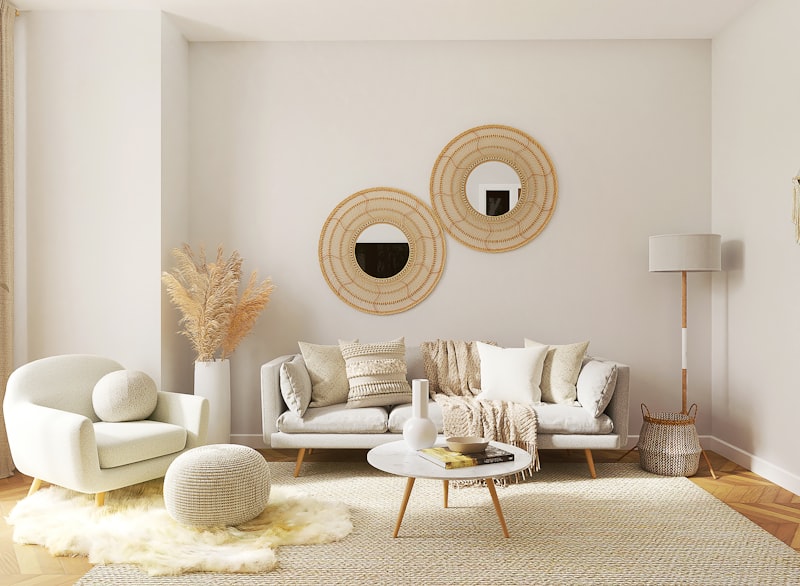
Minimalist home decor ideas, room by room
Minimalist doesn’t mean bare, white or cold — an empty room is unfinished, not minimalist. What separates a calm room from an empty one, warm palettes that don’t read as clinical, and how to get there with the furniture you already own.
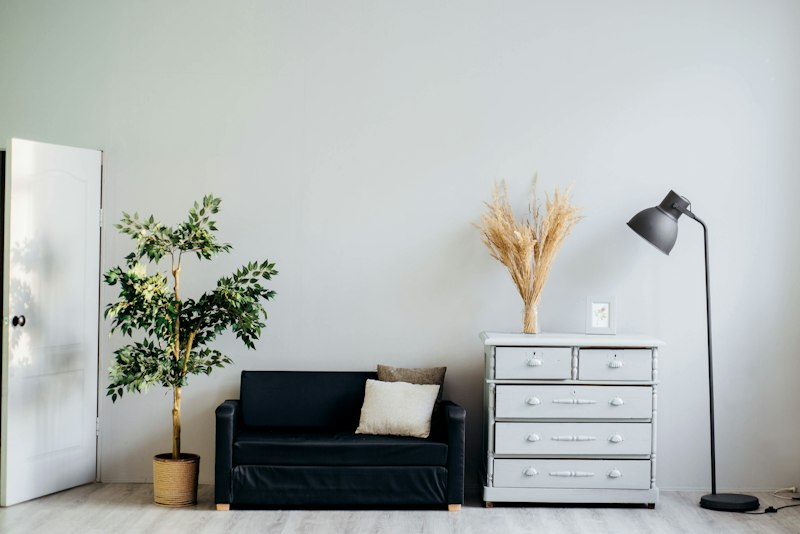
How to refresh your home on a real budget
Cheap swaps and free rearrangements that visibly change a room, tied together into a weekend plan. Also honest about the three things where no free workaround exists — lighting and rug size among them.
What this section covers
Minimalist decor has an image problem. Most people picture white walls, a grey sofa and nothing on any surface — then try it, end up with something that feels like a flat between tenants, and decide the style isn’t for them.
That room isn’t minimalist. It’s unfurnished. The defining quality is intention rather than absence: every item is there for a reason you could explain. These guides are about that distinction, and about the warmth — texture, palette, light — that keeps a pared-back room from feeling clinical.
If you’re starting out
Read minimalist home decor ideas. It covers what actually makes decor minimalist, palettes that don’t feel sterile, room-by-room specifics, and how to do the whole thing without buying new furniture.
If the budget is the constraint
How to refresh your home on a real budget is the practical companion. Most of this style is subtraction, which costs nothing — that guide covers the free changes first, then the few purchases genuinely worth making.
Do the decluttering first
If the volume of things is the problem rather than the styling, start in Declutter & Organize and come back here afterwards. Decorating around too much stuff doesn’t work, and no palette fixes it.
There’s heavy overlap with Small Space Living too — in a small room, restraint stops being an aesthetic choice and becomes a structural one. And if buying less appeals for reasons beyond looks, eco-friendly home essentials covers where budget and sustainability turn out to be the same advice.