30 miles in 30 days challenge
Cover 30 miles — about 48 km — over a month, walking, running or any mix of the two. That’s roughly a mile a day, indoors or out, on whatever schedule your week allows.
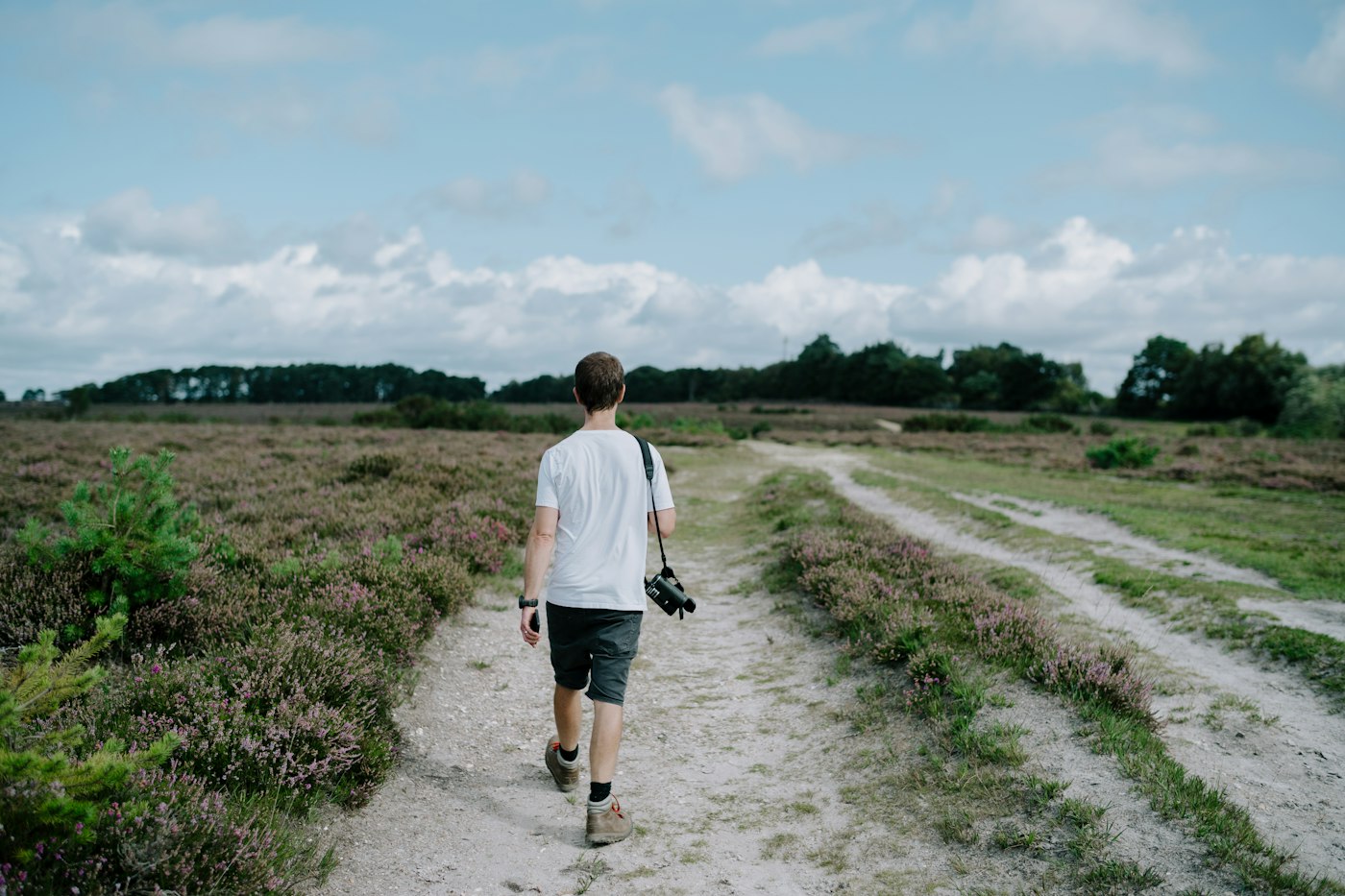
Is 30 miles in 30 days hard?
Walked, it’s manageable for most people. Run, it’s a sensible beginner goal. The arithmetic is why: 30 miles over 30 days averages about a mile a day — roughly 15 to 22 minutes of walking or 9 to 13 minutes of easy running, both varying by person and terrain.
So the distance isn’t the hard part; the daily-ness is. Twenty minutes is easy to find on a Tuesday and impossible on the Tuesday you’re late home, which is why the plan below has rest days and lets you move miles around.
Before you start
General information only, not medical advice. Check with a doctor before starting, especially if you’re pregnant or postpartum, injured, have a heart, blood pressure, joint or other medical condition, take medication, or haven’t exercised in a long time. Be visible and aware of traffic outdoors. Stop if you feel dizzy, short of breath or in pain — see who should modify or skip this below.
Challenge at a glance
| Duration | 30 days |
|---|---|
| Total distance | 30 miles · about 48 km |
| Average per day | 1 mile · 1.6 km |
| Equipment | Shoes. That’s it |
| Where | Outdoors, indoors, treadmill — all count |
| Difficulty | Beginner walked · beginner-friendly run |
| Goal | A daily movement habit, and 30 logged miles |
How the challenge works
- Any mix of walking and running counts. Nobody’s checking how you covered the distance.
- Miles can be split across the day. Half a mile at lunch and half after dinner is a mile.
- Everyday walking counts if you want it to. Decide at the start whether you’re counting deliberate sessions only or all of it, and be consistent.
- Rest days are planned in — four of them, with the distance carried by the days either side rather than lost.
- Log it the same day. The running total is the whole point, and guessing at the end never works.
Pick your plan
The steady plan
Roughly a mile a day, building from half a mile to one and a half — the table below. One short session, most days.
The flexible plan
Same 30 miles around a working week: half a mile on four weekdays, a rest day, then 2.5 and 3 miles across the weekend — about 7.5 miles a week, four times. Better if your weekdays are tight.
The beginner runner’s plan
Cover the same distances with walk-run intervals: run one minute, walk two, repeat until the day’s distance is done. Shift the ratio as the month goes on — two running to one walking by week three — and you’ll build toward continuous running without ever attempting it cold.
The 30-day mileage plan
| Day | Miles | km | Total |
|---|---|---|---|
| 1 | 0.5 | 0.8 | 0.5 |
| 2 | 0.75 | 1.2 | 1.25 |
| 3 | 1 | 1.6 | 2.25 |
| 4 | Rest | — | 2.25 |
| 5 | 1 | 1.6 | 3.25 |
| 6 | 1 | 1.6 | 4.25 |
| 7 | 0.75 | 1.2 | 5 |
| 8 | 1 | 1.6 | 6 |
| 9 | 1 | 1.6 | 7 |
| 10 | 1 | 1.6 | 8 |
| 11 | Rest | — | 8 |
| 12 | 1.25 | 2 | 9.25 |
| 13 | 1.25 | 2 | 10.5 |
| 14 | 1 | 1.6 | 11.5 |
| 15 | 1 | 1.6 | 12.5 |
| 16 | 1.25 | 2 | 13.75 |
| 17 | 1.25 | 2 | 15 |
| 18 | Rest | — | 15 |
| 19 | 1.5 | 2.4 | 16.5 |
| 20 | 1.5 | 2.4 | 18 |
| 21 | 1 | 1.6 | 19 |
| 22 | 1.25 | 2 | 20.25 |
| 23 | 1.25 | 2 | 21.5 |
| 24 | 1.5 | 2.4 | 23 |
| 25 | Rest | — | 23 |
| 26 | 1.5 | 2.4 | 24.5 |
| 27 | 1.5 | 2.4 | 26 |
| 28 | 1.25 | 2 | 27.25 |
| 29 | 1.25 | 2 | 28.5 |
| 30 | 1.5 | 2.4 | 30 |
It builds rather than sitting flat, because an unvarying mile is hardest in week one and dullest in week four. Four rest days, and the total lands exactly on 30.
Pacing and building up
Go easier than feels necessary in week one. The injuries that end challenges like this are overuse ones — shin splints, sore knees, achilles grumbles — and they come from adding distance faster than tissue adapts, not from any single session.
For effort, use the talk test: a full conversation while walking, short sentences while running easily. If you can’t manage that, slow down — the distance is the goal, not the pace.
Using a step counter? A mile is roughly 2,000 to 2,500 steps depending on your stride, so 30 miles is around 60,000 to 75,000. Walk a measured mile once and count — your own number beats any average.
Gear and staying comfortable
- Shoes you can walk a mile in without thinking about them. Not new, not worn flat. The only gear that matters.
- Socks do more than shoes for blisters — synthetic or wool, not cotton, which holds damp. A hot spot means stop and fix it.
- Dress one layer cooler than standing still feels comfortable in; you’ll warm up in minutes.
- Water for anything over 20 minutes in heat, and move sessions to early or late.
- Track it however you’ll keep up — an app, a watch, or the paper tracker below, which has the advantage of being on the wall.
Outdoor safety
- Be visible after dusk — drivers see far less than they think.
- Face oncoming traffic where there’s no pavement.
- Tell someone your route if it’s somewhere quiet, and take a phone.
- Keep one ear free, or the volume low enough to hear traffic.
- Heat and ice are worth rescheduling for. Indoors or a treadmill counts.
Adjusting the goal
Thirty miles is a round number, not a medical threshold. The habit does the work, so make the target fit you:
- Prefer metric? Do 50 km in 30 days — slightly more than 30 miles, and a neater number to track.
- Want it smaller? 15 or 20 miles in 30 days is still a daily habit and still 15 or 20 more miles than last month.
- Want longer? 30 miles across six weeks suits a busy diary better than abandoning it in week two.
- Move differently? Wheelchair users and anyone whose movement doesn’t match “a mile walked” can run this on their own measure — distance covered, time moving, laps of a route. The tracker works the same.
A finished smaller challenge beats an abandoned bigger one every time, and the number was arbitrary to begin with.
Who should modify or skip this challenge
Speak to a doctor before day 1 if any of these apply:
- A heart condition, blood pressure problems, or medication affecting either
- Knee, hip, ankle or foot pain, including plantar fasciitis — walking is usually kinder than running, but get it checked
- A recent injury, illness or surgery you haven’t been cleared from
- Pregnancy or the postpartum period — walking is often fine, running often isn’t; that’s individual advice
- A long gap since you last exercised, combined with any health concern
Tired legs are normal. Shin pain, joint pain, or anything sharp that gets worse as you go is not — that’s the signal to stop and reduce the distance rather than finish the day.
What to do if you miss a day
Spread the missing distance over the days that follow — a quarter-mile added to the next four clears a missed one without you noticing. Don’t make it up in one go; doubling a day is how a gentle challenge becomes an overuse injury. And finishing on day 33 still means you walked 30 miles.
What to expect from 30 days
Stamina, and a habit. A mile stops registering as something you have to plan — the first mile of week four tends to feel like nothing, and that’s fitness rather than imagination.
What a mile a day won’t do is change your weight, and this page won’t put a calorie figure on it: those numbers vary enormously and the devices showing them are estimating. If body composition is the goal, the 30-day habits challenge treats it honestly. What you get here is a cumulative total you can see, which is unusually motivating.
Printable mileage tracker
Thirty days with the target, a blank for what you actually did, and the running total.
Common questions
How long does it take to walk a mile?
Most people take 15 to 22 minutes — brisk nearer 15, relaxed nearer 22, with hills and surface shifting it. Easy running covers the same mile in roughly 9 to 13.
Can I do it on a treadmill?
Yes, and the miles count the same. If you’d rather have a structured machine plan with intervals and incline than a distance target, the 30-day treadmill challenge is built for that — this is the distance version, doable anywhere.
Does walking count?
Completely. It’s a distance, not a speed, and brisk walking is moderate-intensity activity in its own right.
How many steps are in a mile?
Roughly 2,000 to 2,500 for most adults, so 30 miles is about 60,000 to 75,000. Taller people take fewer. Walk a measured mile once and count your own.
What to try next
If the distance went easily, the next step is pace rather than mileage — the treadmill challenge adds intervals and incline for a similar time commitment. For strength alongside the stamina, the 30-day workout challenge, or the squat challenge for a few minutes a day on top of your miles.

Tayiba Shabir
Tayiba writes LifestyleRoot’s home, living and habit guides — practical plans you can actually follow, without the hype.
30 Miles in 30 Days — Mileage Tracker
Tick each day and write what you actually covered — the running total is the column that keeps people going. Walking, running and treadmill miles all count, and miles can be split across the day. Miss a day? Spread it over the next few rather than doubling up.
Days 1–8 6.0 mi
- 10.5 mi · did ______
- 20.75 mi · did ______
- 31 mi · did ______
- 4Rest
- 51 mi · did ______
- 61 mi · did ______
- 70.75 mi · total 5.0
- 81 mi · did ______
Days 9–16 7.75 mi
- 91 mi · did ______
- 101 mi · did ______
- 11Rest · total 8.0
- 121.25 mi · did ______
- 131.25 mi · did ______
- 141 mi · total 11.5
- 151 mi · did ______
- 161.25 mi · did ______
Days 17–24 9.25 mi
- 171.25 mi · total 15.0
- 18Rest
- 191.5 mi · did ______
- 201.5 mi · did ______
- 211 mi · total 19.0
- 221.25 mi · did ______
- 231.25 mi · did ______
- 241.5 mi · total 23.0
Days 25–30 7.0 mi
- 25Rest
- 261.5 mi · did ______
- 271.5 mi · total 26.0
- 281.25 mi · did ______
- 291.25 mi · did ______
- 301.5 mi · TOTAL 30.0
Metric version: 50 km in 30 days, same shape. Smaller target: 15 or 20 miles still builds the habit. Using steps? A mile is roughly 2,000–2,500 depending on your stride.
Outdoors: be visible after dusk · face oncoming traffic where there’s no pavement · tell someone your route · keep one ear free. Stop for shin or joint pain rather than finishing the day. General information only, not medical advice. · lifestyleroot.com/habits-challenge/30-miles-in-30-days-challenge/