The 30-day declutter challenge (a day-by-day plan)
One task a day, ten to twenty minutes, starting with a handbag and finishing with the corner you’ve been avoiding. No lost weekends, and a printable checklist to tick off.
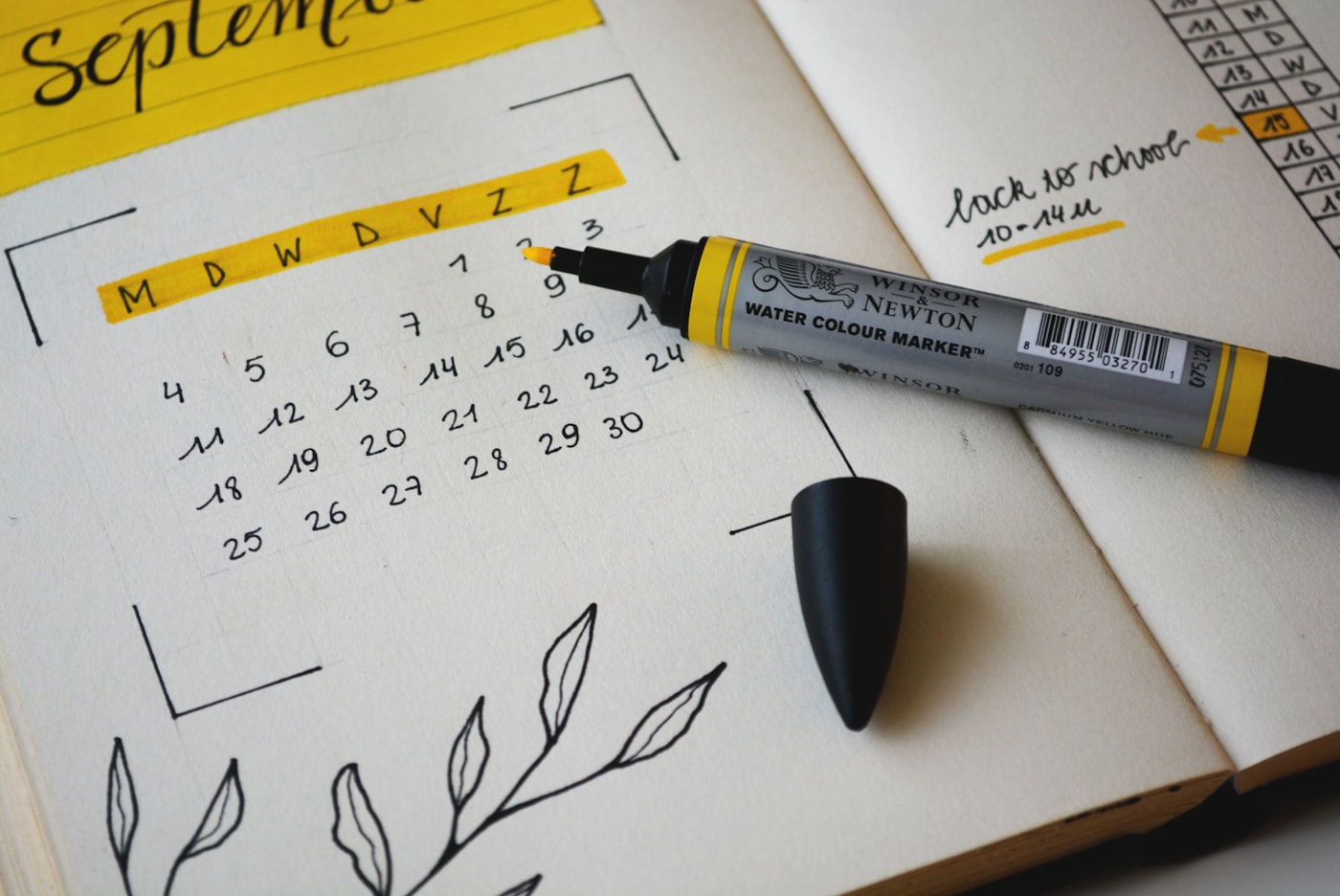
How this challenge works
One task a day for thirty days. Most take ten to fifteen minutes; a few near the end take closer to half an hour. Nothing needs a free weekend.
The daily format isn’t just gentler, it works better. Deciding what to keep is the expensive part of decluttering, and that capacity runs out somewhere around the ninety-minute mark. Past that people start keeping things because deciding is too much effort — which is how a marathon Saturday ends with the same volume, rearranged. Thirty short sessions give you thirty fresh starts.
There’s a second reason the daily format works, and it’s about evidence. A weekend purge gives you one result you either liked or didn’t. Thirty days gives you thirty small completions, and that accumulation is what makes the habit stick past the challenge — by day 20 you’ve proved to yourself that fifteen minutes is enough to change something, which is the belief the maintenance habits depend on.
The tasks escalate deliberately. The first week is almost decision-free, to build momentum. Harder categories arrive once you’ve had two weeks of practice making these calls quickly.
A realistic expectation for what thirty days produces: several bags of donations, a noticeably clearer set of surfaces, and most of the small, irritating spots dealt with. What it won’t produce is a finished house. Garages, lofts and anything deeply sentimental need more time than a fifteen-minute slot allows, and they’re deliberately not on the list.
This is a whole-home approach that touches a lot of areas lightly rather than finishing any one room. If you’d rather work through the house properly, one room at a time, the room-by-room guide is the better fit — and the two work fine together, since this challenge makes a good follow-up once a deep clear-out is done.
Before you start
Five minutes of setup saves a lot of friction later.
- Have bags ready — one for donations, one for rubbish, one for recycling. Fetching them each day is enough friction to skip a session.
- Pick a time and keep it. After breakfast, before dinner, whenever. Same slot daily matters more than which slot.
- Decide where “maybe” goes now. One box, out of sight. Anything you can’t judge in the moment goes in rather than stalling the session.
- Set a timer. Stop when it goes, even mid-flow. Finishing while you still want to continue is what gets you back tomorrow.
- Book a donation drop-off for around day 15 and day 30, so the bags actually leave.
One more thing worth deciding up front: what happens to what leaves. Usable items go in the donation bag, broken things go out with the rubbish or to recycling, and anything worth selling gets a two-week deadline before it becomes a donation too. Deciding that now means you never lose a session to standing in the hallway wondering.
The 30-day challenge, day by day
Week one: easy wins (10 minutes each)
Almost no hard decisions. The point is starting, not clearing volume.
| Day | Task |
|---|---|
| 1 | Empty your handbag or backpack completely. Bin the receipts and wrappers, return what belongs elsewhere. |
| 2 | Wallet and keys. Expired cards, old loyalty cards, keys you can’t identify. |
| 3 | Bathroom cabinet. Bin anything expired, dried out or opened over a year ago. Take old medicines to a pharmacy, not the bin. |
| 4 | Under the kitchen sink. Empty it, bin the near-empty bottles, keep one of each product. |
| 5 | The junk drawer. Dead pens, dead batteries, takeaway menus, unidentifiable keys. |
| 6 | Fridge and freezer. Everything expired, plus the condiments nobody has opened in a year. |
| 7 | Your phone. Delete apps unused in six months, clear the downloads folder, close every tab. |
None of week one requires you to judge whether you’ll use something again. Everything on it is expired, broken, or obviously rubbish — which is the point. You’re building the habit of showing up, not clearing volume, and the volume comes later once the habit exists.
Week two: surfaces and small zones (15 minutes each)
Visible change starts here. By day 14 the house should look different.
| Day | Task |
|---|---|
| 8 | Kitchen counters. Clear everything off, wipe down, return only what you use daily. |
| 9 | One kitchen cabinet — mugs and glassware. Count against how many people live here. |
| 10 | Food containers. Match every lid to a base; anything unmatched goes, both directions. |
| 11 | One pantry shelf. Expired items out, duplicate open packets combined. |
| 12 | Cleaning supplies. Consolidate duplicates, bin anything you’ve never used twice. |
| 13 | Entryway. Shoes that don’t fit or aren’t worn, coats belonging to nobody, the pile by the door. |
| 14 | Living room surfaces. Coffee table, media unit, the basket things go into to be forgotten. |
Days 8 to 11 are a light pass at the kitchen. If you’d rather do it thoroughly in one go, the kitchen guide covers counters, cabinets and pantry properly — treat those four days as one session instead.
Week three: clothes and bedroom (20 minutes each)
Halfway. This is the week people most often report the house starting to feel different rather than just look tidier, mostly because clothes are the largest single category in most homes.
Bigger categories, and the first ones with real decisions in them.
| Day | Task |
|---|---|
| 15 | Socks and underwear. Anything holed, stretched or unworn. Take the first donation bag out today. |
| 16 | Tops. Everything out, try on anything uncertain once, decide now. |
| 17 | Trousers, skirts and dresses. Same method. |
| 18 | Shoes. Uncomfortable, unworn in a year, or beyond repair. |
| 19 | Coats and outerwear, plus scarves, hats and gloves. |
| 20 | Bedding and towels. Two sets per bed and three towels per person covers most homes. |
| 21 | Bedside tables and under the bed. If you’d forgotten it was there, it goes. |
Days 16 to 19 are the wardrobe. Our wardrobe guide has a concrete rule for the pile you can’t decide about, which is worth reading before day 16 if clothes are your sticking point.
Week three is the first time you’ll hit real resistance, usually somewhere around day 17. Clothes carry sunk cost and aspiration in a way that mugs and cleaning supplies don’t. If a day here runs long, split it — two twenty-minute sessions on trousers beats abandoning the challenge because Tuesday was hard.
Week four: the harder categories (20–30 minutes each)
By now you’ve made several hundred decisions and you’re faster at it. That’s exactly why these come last.
| Day | Task |
|---|---|
| 22 | Cables and electronics. Any cable you can’t match to a device goes. Old phones to e-waste recycling. |
| 23 | Paperwork. Three piles only: shred, file, action. Nothing else. |
| 24 | Email. Twenty minutes unsubscribing, then archive everything older than six months in one action. |
| 25 | Books, games and media. Keep what you’ll reread or haven’t read yet. |
| 26 | Toys, or hobby supplies if there are no children in the house. |
| 27 | The linen or storage cupboard. The one that’s become general storage. |
| 28 | Your car, or the hallway cupboard if you don’t have one. |
| 29 | One sentimental category — a single box or drawer, not all of it. Decide the container first. |
| 30 | The spot you’ve been avoiding. The chair, the corner, the box that’s moved rooms three times. Then take everything to the donation point. |
Three of those have deeper guides if you want them: digital and paper clutter for days 23 and 24, kids’ toys for day 26, and sentimental items for day 29 — that last one uses a container limit rather than judging each object, which is what makes it survivable in twenty minutes.
If you miss a day
You will, and it doesn’t matter.
Skip it and carry on with the next day’s task. Don’t double up to catch up — that turns a ten-minute habit into a forty-minute obligation, which is how people quit on day nine. The challenge works because it repeats, not because it’s unbroken.
If you miss a week, start again from wherever you left off rather than from day one. Nothing resets. And if a particular day’s task turns out to be much bigger than twenty minutes, split it over two days — the numbering is a sequence, not a deadline.
The goal is thirty tasks done, not thirty consecutive days.
One more thing worth saying, because challenge framing invites it: nobody is marking this. There’s no failure state here, only a house that’s somewhat clearer than it was. If you complete eleven days and stop, you’ve done eleven more than you had, and the eleven don’t undo themselves.
After the 30 days
Finish by taking everything out. The bags by the door are the most common failure point of any clear-out — left long enough, they get unpacked, and a month of work quietly reverses.
You’ll have touched most of the house and cleared a genuine amount. What you won’t have is a system that keeps it there — a clear-out addresses the volume, not the habits that produced it.
Two things worth setting up in the week after you finish. A short daily reset, which reverses one day’s drift in about ten minutes and is the single highest-value habit in any of this. And a cadence for the rest, so nothing needs a thirty-day challenge again.
How to keep your house decluttered covers the habits, and how often to declutter covers the rhythm — daily, weekly, monthly and seasonal, plus the things that shouldn’t be on a schedule at all.
FAQS
Can I do this in a small home or apartment?
Yes, and it’ll take less time per day. Some tasks won’t apply — no car, no linen cupboard, no garage — so substitute another spot rather than skipping the day, since the routine is doing as much work as the tasks. Under-bed storage, the top of the wardrobe and the entryway are good replacements in a smaller place.
Should everyone in the house do it?
Only for shared spaces, and only if they want to. Days covering communal areas — counters, entryway, living room — work well as a joint five minutes. Everything personal stays with whoever owns it. Decluttering someone else’s belongings because you’re on day 16 and feeling productive is the fastest way to turn a household project into an argument.
What if I need more than 30 days?
Then take more. Thirty is a useful frame, not a rule, and a home that’s accumulated for a decade won’t be finished by a month of fifteen-minute sessions. Finishing all thirty tasks in six weeks is a better outcome than abandoning the whole thing in week three because you fell behind.
More guides on decluttering, organising and small spaces are in the Home & Living pillar.

Tayiba Shabir
Tayiba writes LifestyleRoot’s home and living guides — decluttering, minimalist decor, and making small spaces work harder.
Related guides

How to declutter your home, room by room
The alternative approach — depth in one room at a time rather than a daily sweep.

How to keep your house decluttered
What to set up in the week after you finish, so this doesn’t need repeating.
How to declutter sentimental items
For day 29, and for anything the challenge surfaces that you can’t decide about.
30-Day Declutter Challenge
One task a day, ten to twenty minutes. Tick as you go — and if you miss a day, skip it and carry on rather than doubling up.
Week one — easy wins, 10 minutes
- 1Handbag or backpack — empty it completely.
- 2Wallet and keys. Expired cards, unidentifiable keys.
- 3Bathroom cabinet. Expired or dried out. Medicines to a pharmacy.
- 4Under the kitchen sink. One of each product.
- 5The junk drawer.
- 6Fridge and freezer. Expired food, forgotten condiments.
- 7Your phone. Unused apps, downloads, open tabs.
Week two — surfaces and small zones, 15 minutes
- 8Kitchen counters. Return only what you use daily.
- 9Mugs and glassware.
- 10Food containers. Match every lid to a base.
- 11One pantry shelf. Expired out, duplicates combined.
- 12Cleaning supplies.
- 13Entryway. Shoes, coats, the pile by the door.
- 14Living room surfaces.
Week three — clothes and bedroom, 20 minutes
- 15Socks and underwear. Take the first donation bag out today.
- 16Tops. Try on anything uncertain, once.
- 17Trousers, skirts and dresses.
- 18Shoes.
- 19Coats, scarves, hats, gloves.
- 20Bedding and towels. Two sets per bed, three towels per person.
- 21Bedside tables and under the bed.
Week four — harder categories, 20–30 minutes
- 22Cables and electronics. Unmatched cables go; old phones to e-waste.
- 23Paperwork. Shred, file, action — nothing else.
- 24Email. Unsubscribe pass, then archive everything over six months old.
- 25Books, games and media.
- 26Toys, or hobby supplies.
- 27The linen or storage cupboard.
- 28The car, or the hallway cupboard.
- 29One sentimental category. Decide the container first.
- 30The spot you’ve been avoiding. Then take everything to the donation point.
lifestyleroot.com/home-living/30-day-declutter-challenge/