How to refresh your home on a real budget
The changes that actually make a room feel different — most of them free, a few of them cheap, and three worth spending a little more on. No renovation, no weekend project requiring a mitre saw.
The short answer
- Rearranging and editing costs nothing and does more than most purchases.
- Buy cushion covers, not cushions. Same visual change, a fraction of the price.
- Warm bulbs and two lamps beat one overhead fixture, for very little money.
- A rug that’s too small makes a room look worse. This is the one place not to economise.
- A realistic full refresh: one weekend and roughly $100–200, most of it optional.
Prices below are indicative and in US dollars — they’ll differ where you are, sometimes a lot. Treat them as relative signals about what’s cheap and what isn’t, rather than a shopping list.
Start with what you already own
Half of what reads as a “refreshed” room is subtraction and rearrangement. Do this before buying anything, because it changes what you’d buy.
- Pull the furniture off the walls. Twenty or thirty centimetres forward. Rooms with everything pushed flat against the perimeter read as corridors; a small gap creates depth immediately.
- Swap rugs, lamps and art between rooms. The piece that’s invisible in the bedroom often works in the hall. This is genuinely the highest-return hour you’ll spend, and it costs nothing.
- Clear every surface completely, then put back a third. Not less clutter — a deliberate reduction.
- Rehang art at eye level. Most people hang too high. Centre should sit around 145–150cm from the floor.
- Rotate what’s on display. Box half your ornaments and swap them next season. Things you haven’t seen in six months register as new.
If surfaces refill within a week, the underlying problem is volume rather than styling — the room-by-room guide handles that, and it’s the prerequisite for everything below.
Cheap decor swaps that make a real visual difference
In rough order of impact per dollar:
- Cushion covers, not cushions (~$5–12 each). Covers cost a fraction of filled cushions, store flat, and let you change a room seasonally. Reuse the inners you already have — this is the single best-value swap in decorating.
- Warm bulbs (~$3–5 each). Swap cool white for 2700K warm white. It’s the cheapest change on this page and one of the most noticeable — cool bulbs are why rooms feel like offices at night.
- A second lamp (~$20–40, less secondhand). One overhead light flattens a room and darkens the corners. Two lower light sources transform it. More on this below, because it’s also where spending a little more pays.
- Rehang curtains high and wide (free, or ~$10 for a longer rod). Rod near the ceiling, extending 15–20cm past the frame each side. Windows read larger, ceilings read higher, and if you own the curtains it costs nothing.
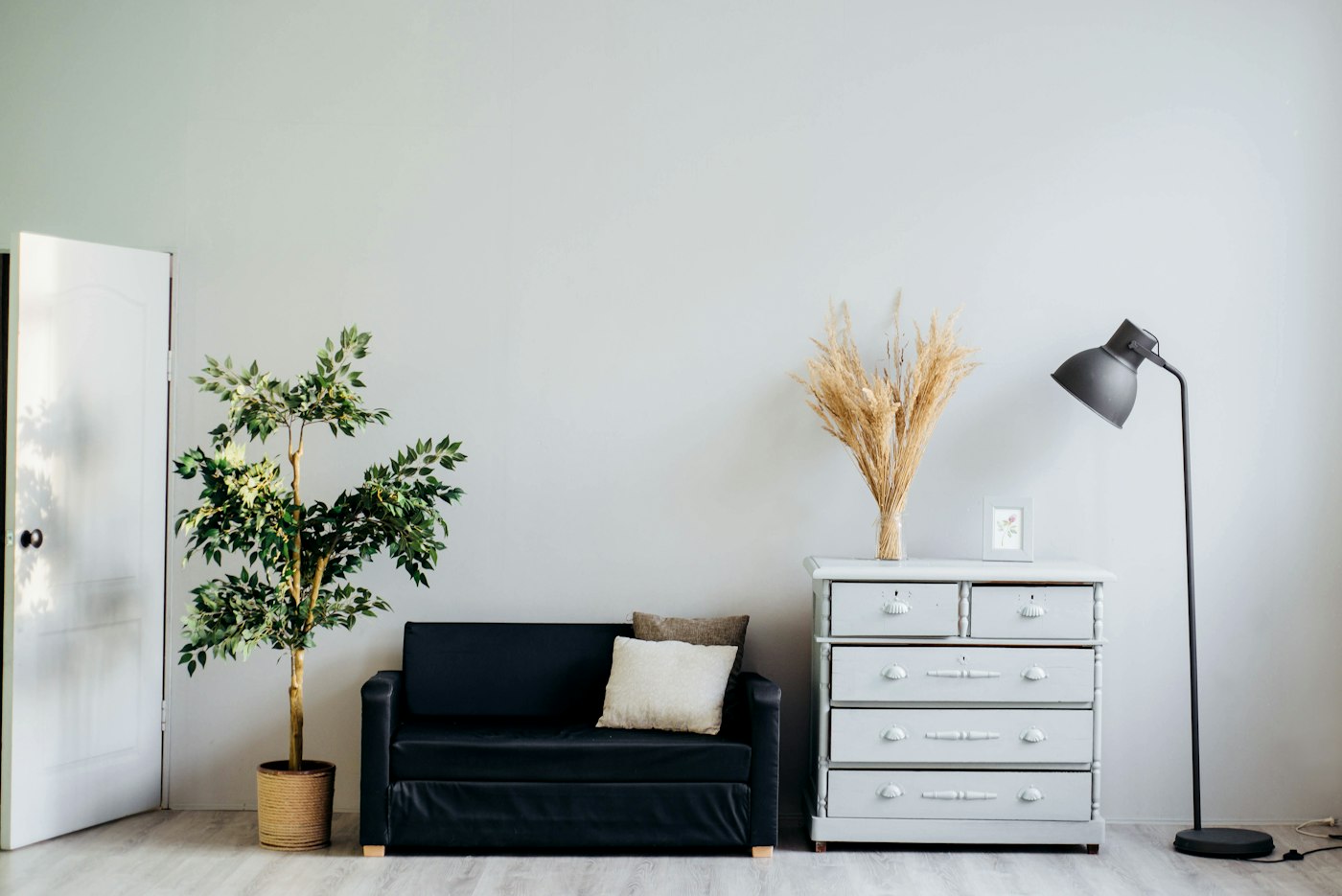
- Change the knobs and handles (~$2–4 each). On kitchen cabinets, a wardrobe or a chest of drawers, new hardware reads as new furniture for the price of a coffee.
- Paint one thing. A single wall, an interior door, or a tired piece of furniture. A sample pot (~$6) covers a small item; a single tin (~$25) does a feature wall.
- Framed prints from charity-shop frames. Buy frames secondhand ($2–5), print something at a copy shop, and you have large-scale art for a few dollars. One large piece beats several small ones.
- Greenery. A cutting from a friend’s plant costs nothing; a few branches in a jug is a legitimate look, not a compromise.
- Move a mirror opposite a window. Free, and it spreads daylight further into the room. On a blank wall it does nothing.
What ties these together is a coherent palette — three or four cheap items in one colour family read as intentional, while the same money spread across mismatched pieces reads as clutter. Our decor guide covers picking one.
DIY organization hacks
Nothing here needs power tools or a weekend of construction.
- Tension rods (~$5). Under the sink to hang spray bottles by the trigger, freeing the whole cabinet floor. Inside a wardrobe as a second rail. Across a window as a curtain track. The most useful cheap object in a home.
- Adhesive hooks and rails (~$8 a pack). Behind doors, inside cupboards, under shelves. Renter-safe and they carry more than people expect.
- Shoe boxes and cereal boxes as drawer dividers. Cut to height, they work exactly as well as bought inserts. Cover them in leftover paper if it bothers you.
- Glass jars for dry goods. Free, airtight, and they look better than the packaging they replace. This is where budget and sustainability overlap — more of that in eco-friendly home essentials.
- Bed risers (~$15). Add 8–20cm of clearance and turn the space under the bed into real storage.
- A cable box or a shoebox with a slot cut in it for the router and cable nest. Removes the most visually noisy object in most living rooms.
- Magnetic strips (~$10) for knives, spice tins, or small metal tools.
- Baskets, bought secondhand. Charity shops are full of them for a dollar or two, and they hide the things you can’t rehome.
What’s worth spending a little more on
Not everything has a free workaround, and a page claiming otherwise isn’t being straight with you. Three things where a real purchase beats a hack.
Lighting. The biggest single difference between a room that photographs well and one that doesn’t, and there’s no free version. Two decent floor or table lamps with warm bulbs (~$60–100 for both) will do more than $300 of decor. Buy the lamps secondhand if you like — but buy the lamps.
A correctly sized rug. This is the classic budget mistake, and it makes rooms look worse rather than better. A rug too small for its zone shrinks the space visibly. The front legs of your seating should sit on it. Sizing up costs more (~$80–150 rather than $40), but a small rug is money spent making a room feel cramped, which is worse than no rug at all.
Paint, if you’re painting. Cheap paint needs three coats to do what good paint does in two, so the saving evaporates in tins and hours. Buy the better paint and paint less of the room.
Where secondhand genuinely wins
Solid wood furniture, lamps, frames, mirrors and baskets are all better bought used — older pieces are frequently better made than new equivalents at the same price. Buy new for textiles, bedding and anything upholstered.
A weekend refresh plan
Everything above, in an order that fits two days. Total spend depends on how much of the optional list you take.
Friday evening — decide (free)
Walk each room and write down what bothers you. Not solutions, just the irritations. Then check what you already own that might help: spare frames, unused lamps, the rug in the back bedroom. Make your shopping list from the gaps only.
Saturday morning — subtract and move (free)
Clear every surface in the main rooms, then return a third. Pull furniture off the walls. Swap rugs, lamps and art between rooms. Rehang anything sitting too high. Take before photos if you like — the change is bigger than it feels while you’re in it.
Saturday afternoon — shop (~$60–150)
Charity shops and secondhand first, hardware and homeware after. The core list: warm bulbs, cushion covers, a lamp if you’re short of one, a longer curtain rod, cabinet knobs, a sample pot of paint. Buy for the palette you decided on, not what’s on offer.
Sunday morning — install (free labour)
Bulbs, cushion covers, curtain rod, knobs. All quick. Paint the door or the piece of furniture now so it has the day to dry.
Sunday afternoon — organize and style (free)
Tension rods and hooks where they’re needed, drawer dividers cut from boxes, the cable box. Then styling: art rehung, one large piece per wall, mirror opposite the window, plants placed, surfaces final.
A weekend, well under $200 at the top end, and no part of it requires permission from a landlord.
Common questions
What’s the cheapest way to update a room?
Rearrange the furniture and clear the surfaces. It costs nothing and changes the room more than most purchases. After that, warm bulbs and cushion covers are the cheapest changes with real visual impact.
How much should a budget home refresh cost?
One room can be genuinely transformed for $50–100 if you already own the basics, and a whole-home refresh for $150–250. Past roughly $300 you’re furnishing rather than refreshing — a different project with a different answer.
What if I’m renting?
Almost everything here works. Textiles, lighting, mirrors, adhesive fittings, tension rods and secondhand furniture all move house with you. Skip painting unless your agreement allows it, and put the money into a larger rug and better lamps instead — both do more, and both are yours to take.
Is it better to save up for one good piece?
Usually yes, for furniture — one well-made piece outlasts three cheap ones. But it’s the wrong approach for a refresh. The changes on this page work because they’re small, immediate and reversible. Save separately for the sofa; do this in the meantime.
More on decorating, decluttering and small spaces in the Home & Living pillar.

Tayiba Shabir
Tayiba writes LifestyleRoot’s home and living guides — decluttering, minimalist decor, and making small spaces work harder.
Related guides
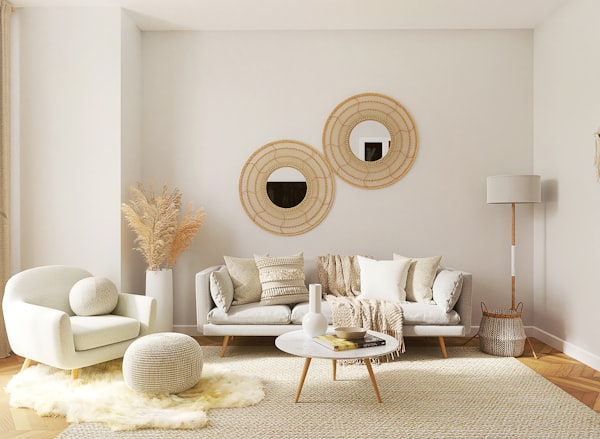
Minimalist home decor ideas
Picking the palette that makes three cheap items read as intentional.
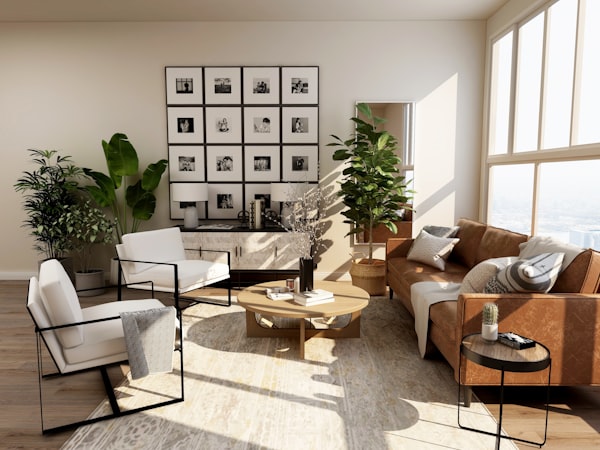
How to declutter your home, room by room
If the surfaces refill within a week, this is the actual fix.
Eco-friendly home essentials
Where buying less and spending less turn out to be the same advice.