How to detox sugar from your body
There’s no way to flush sugar out of your system, because your body is already handling it. What people usually mean by a sugar detox is cutting back on added sugar and getting through the cravings — and that part you can absolutely do.
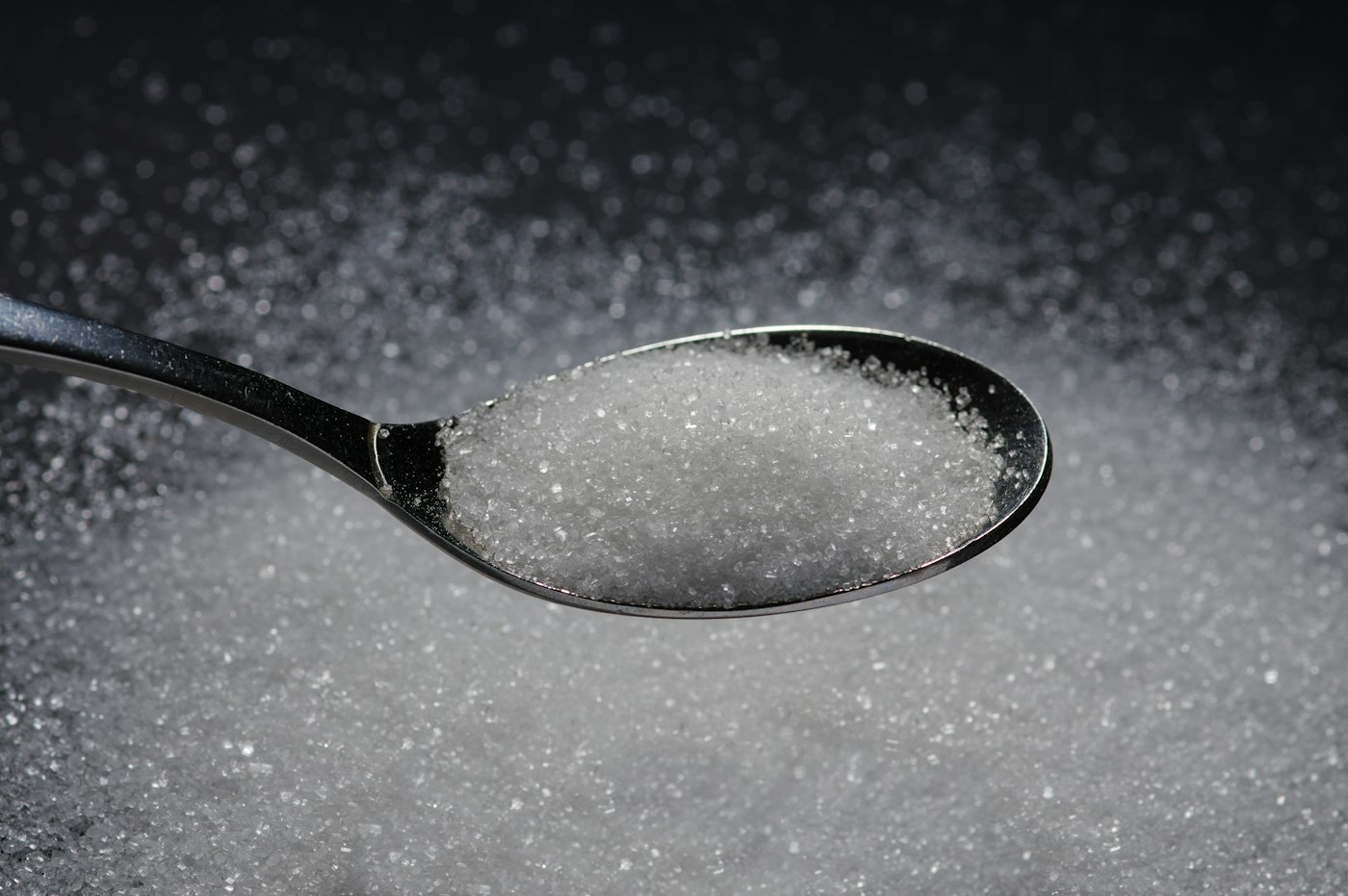
You can’t detox sugar out of your body, and you don’t need to. Sugar isn’t a toxin waiting to be removed — glucose is the fuel your cells run on, and your body already decides how much to use, store and let go of. No drink, powder or three-day plan speeds that up.
What people usually mean by it is: I’m eating more added sugar than I want to, and I’d like to stop without feeling awful. That’s a habit question, and it has real answers.
Before you change anything
General information only, not medical advice. If you have diabetes or high blood sugar, take medication, are pregnant or breastfeeding, or have a history of disordered eating, talk to a doctor before changing how you eat. If you have signs of very high blood sugar — such as extreme thirst, frequent urination, nausea or confusion — seek medical help rather than reading on.
The short answer
There’s nothing to flush. What works is cutting back on added sugar gradually, starting with drinks, and keeping meals filling enough that you’re not fighting cravings on an empty stomach. Expect a rough few days if you cut a lot at once. Harvard Health is blunt about going cold turkey: don’t try to eliminate everything at once, because you’ll only crave sweets more
.
What “detoxing from sugar” actually means
Health guidance doesn’t target sugar in general. It targets what the NHS calls free sugars: anything added to food or drink, plus the sugars in honey, syrups and fruit juice. Sugar occurring naturally in milk, fruit and vegetables does not count as free sugars
and doesn’t need cutting down — fruit only crosses over once juiced or puréed.
The numbers, for context rather than as a target to hit exactly:
- NHS: adults, no more than 30g of free sugars a day — roughly seven sugar cubes.
- WHO: free sugars under 10% of total energy intake, and — as a weaker conditional recommendation — below 5%,
roughly 25 grams (6 teaspoons) per day
. - American Heart Association: about six teaspoons a day for most women, nine for most men.
Reducing added sugar is a reasonable goal with mainstream backing. Removing sugar from your bloodstream on demand isn’t a goal at all.
If you mean high blood sugar
This isn’t a DIY topic
Some people searching for how to get sugar out of their system are worried about a glucose reading, not a sweet tooth. If that’s you, high blood sugar needs managing with the person who prescribes for you, not with a home plan.
Get medical help right away if you have intense thirst, frequent urination, nausea or vomiting, abdominal pain, weakness, breathlessness, fruity-smelling breath or confusion. Those can be signs of diabetic ketoacidosis, which Mayo Clinic notes can develop within about 24 hours and needs care straight away. Don’t wait it out, and don’t try to correct it with water or exercise.
If you have diabetes and simply want to eat less added sugar, that’s a sensible aim — but raise it with your doctor or dietitian first, because cutting carbohydrate while on glucose-lowering medication can push your levels too low.
What you may notice when you cut back
People commonly report cravings, headaches, low energy, irritability, feeling flat, and sometimes nausea or bloating in the first few days. Go from a lot of sugar to almost none overnight and you’re more likely to feel it.
Here’s the part most pages skip: the evidence for “sugar withdrawal” in humans is thin. Medical News Today describes sugar addiction as a controversial topic needing more research, and says plainly that there’s no scientific evidence confirming how long symptoms last. Much of what people feel is plausibly shifting blood sugar, changed routines and the absence of a habit they leaned on.
That doesn’t make it imaginary. It does mean being suspicious of any page that tells you exactly what day three will feel like.
How to cut back, step by step
Decide whether you’re tapering or stopping. Gradual suits most people: fewer symptoms, easier to sustain. Stopping abruptly can work if you respond well to a clean line, but it’s the harder road.
Start with drinks. The highest-yield change, because sweetened drinks deliver a lot of free sugar without making you feel like you’ve eaten anything.
Then sauces, then snacks, then desserts. That order removes the sugar you weren’t enjoying before you touch the sugar you like. Ketchup, pasta sauce, flavoured yoghurt, cereal and bread carry more than people expect.
Sweeten things yourself. Buy it plain — yoghurt, oats, tea — and add what you want. You’ll add less than the manufacturer did, and you can reduce it week by week.
Learn the other names. Sucrose, glucose-fructose syrup, dextrose, maltose, molasses, fruit juice concentrate, honey, agave, invert sugar. Ingredients are listed by weight, so sugar near the top of a short list tells you plenty.
Keep protein and fibre at meals. Not as a trick — as plumbing. Meals built on protein, vegetables, pulses and whole grains digest more slowly, so you’re less likely to be hunting for something sweet an hour later. A filling breakfast does more for your 4pm cravings than willpower at 4pm.
Sleep, and plan for your triggers. Short sleep makes everything harder, and cravings aren’t random — most people have a time and a situation. Decide in advance what you’ll have instead, because deciding in the moment is where it falls apart.
What to eat
No menu, no rules, no rigid list — those tend to collapse, and for some people they’re actively risky. The shape to aim for: protein at each meal, vegetables and pulses often, whole grains over refined, and whole fruit whenever you want it.
On sweeteners: they can work as a bridge, particularly for drinks, but they’re not a destination. Harvard calls them a good stepping stone, but they’re not a permanent fix
, and notes they can keep your taste for very sweet things alive. WHO went further in 2023 and recommended against using non-sugar sweeteners for weight control — a conditional recommendation, and one that explicitly excludes people who already have diabetes. Use them if they help you move away from sugary drinks; don’t assume they do more than that.
What to avoid
- Juice cleanses and “sugar detox” drinks. A juice cleanse is a liquid sugar delivery system — you’d be drinking free sugars to flush something that doesn’t need flushing.
- Anything sold as flushing sugar out. Teas, powders, patches, supplements. Nothing to flush means nothing for a product to do.
- Laxatives and diet pills. No useful effect on blood sugar, and risks of their own.
- Extreme restriction. Crash plans, skipping meals, cutting fruit. These make cravings worse and can be unsafe if you’re on medication.
- Day-by-day withdrawal timelines. If a page tells you precisely what day four brings, it isn’t reporting evidence.
How long does it take?
Short, honest answer: nobody can tell you, and the sources that try are making it up.
What’s reported is that the hardest stretch is usually the first few days to a couple of weeks, and that taste adjusts — Harvard’s version is that once you’re used to fewer super-sweet things, you crave them less. On duration, Medical News Today is clear that some people describe a week and others longer, with no scientific evidence to confirm it. Judge by how you feel rather than by a chart.
Who should talk to a doctor first
- You have diabetes, prediabetes or any blood sugar condition
- You take glucose-lowering medication, including insulin
- You’re pregnant or breastfeeding
- You’re under 18
- You have a history of disordered eating — rigid food rules and “detox” framing can be a trigger, and a gentler approach matters more than a faster one
- You’re on medication or managing a condition where diet changes could interact with treatment
Want a structured plan?
Some people do better with a defined start and finish than with “eat a bit less sugar”. If that’s you, build three weeks rather than a detox: week one, drinks only. Week two, sauces and the sugar hiding in everyday groceries. Week three, decide what you want to keep — the aim isn’t zero, it’s a level you’d be content with in six months.
Write it down before you start. Cravings argue well in the moment; a decision made in advance argues back.
FAQ
How long does it take to detox from sugar?
There’s no established timeline. Most people find the first few days to two weeks hardest, but no reliable evidence sets a duration — and the day-by-day timelines circulating online aren’t based on any.
Does drinking water flush sugar out of your system?
No. Water doesn’t remove sugar from your blood or body. Swapping sweetened drinks for water is still one of the most effective changes you can make — but the benefit is in what you’ve stopped drinking, not in flushing anything out.
Why do I get headaches when I stop eating sugar?
Headaches are commonly reported in the first few days, along with tiredness and irritability. The likely explanations are shifting blood sugar and disrupted routine rather than a withdrawal syndrome, since the human evidence for that is limited. Cutting back gradually and eating regular meals tend to reduce it. Persistent or severe headaches are worth a doctor’s opinion, not a push through.
Is fruit okay on a sugar detox?
Yes. The NHS says sugars naturally present in fruit, vegetables and milk don’t count as free sugars and don’t need cutting down. Juice and smoothies are a different case: once fruit is juiced or puréed, those sugars do count.
Does a sugar detox work?
Not in the sense of cleansing anything. As a habit reset, though, a defined period of eating less added sugar works for plenty of people — it interrupts automatic choices long enough to replace them. What you keep afterwards matters far more than the first fortnight.
Related guides
If this is part of something broader, the 30-day weight loss challenge takes the same gradual, habit-first approach to food and movement, and the 30-day no alcohol challenge covers a cut-back with more evidence behind it than this one.
Sources
- How much sugar is good for me? — NHS. The 30g free sugars figure for adults, the definition of free sugars, and the position that sugars in milk, whole fruit and vegetables don’t count.
- WHO calls on countries to reduce sugars intake — World Health Organization. Free sugars below 10% of total energy as a strong recommendation, and below 5% (about 25g) as a conditional one.
- Added Sugars — American Heart Association. The daily added-sugar limits of about six teaspoons for women and nine for men.
- Sugar detox symptoms: Withdrawal and treatments — Medical News Today. The reported symptoms, the absence of evidence for a fixed timeline, and sugar addiction as a contested idea.
- How to break the sugar habit — Harvard Health. Not eliminating everything at once, sweetening food yourself, reading labels, and sweeteners as a stepping stone.
- WHO advises not to use non-sugar sweeteners for weight control — World Health Organization, 2023. The conditional recommendation against non-sugar sweeteners for weight control, and its exclusion of people with pre-existing diabetes.
- Diabetic ketoacidosis — Mayo Clinic. The urgent symptoms listed in the blood sugar section and the advice to get care right away.

Tayiba Shabir
Tayiba writes LifestyleRoot’s home, living and habit guides — practical plans you can actually follow, without the hype. She isn’t a doctor, and this guide cites its sources rather than claiming expertise.