30-day no alcohol challenge
Thirty days off alcohol — the rules worth settling in advance, what to order when everyone else is drinking, and a tracker for the things you actually notice. Written for adults taking a break, with a clear note on who should speak to a doctor first.
A month without alcohol is one of the simplest challenges to describe and one of the more socially awkward ones to actually do. The rules take a sentence; the weekends, the work drinks and the “go on, just one” take rather more planning.
So this page is mostly about the planning. It’s for adults who drink moderately and want a reset — and the section directly below is for everyone, because for some people a sudden stop isn’t the right move at all.
Before you start
General information only, not medical advice. If you drink heavily or every day, don’t stop suddenly without talking to a doctor, because withdrawal can be dangerous. If you’re pregnant, take medication, or have a health condition, check with a doctor before starting. If you’re finding it hard to cut down, please talk to a doctor or a local support service.
Is this challenge right for you? Read this first
For most people who drink moderately, taking a month off is straightforward and safe. For some people it isn’t, and that distinction is worth getting right before day 1 rather than discovering it on day 2.
If you drink heavily, or every day, speak to a doctor before you stop. When the body has become physically dependent on alcohol, removing it abruptly can cause withdrawal symptoms that range from unpleasant to genuinely dangerous — including shaking, sweating, severe anxiety, nausea and, at the serious end, seizures. The NHS puts it directly: “If you have become physically dependent and need to stop drinking completely, stopping overnight could be harmful.” That isn’t a reason not to stop drinking. It’s a reason to do it with medical support, which may include medication to make it safe.
It’s also worth a conversation with a doctor or a local alcohol support service, rather than a self-run challenge, if any of these sound familiar:
- You’ve tried to cut down before and found you couldn’t, or didn’t last as long as you intended
- You feel anxious, shaky or unwell in the morning, or until you have a drink
- Alcohol is affecting your health, your work, your money or your relationships
- You drink alone, or to manage stress, low mood or sleep, more often than you’d like
- People close to you have raised it with you
None of that is said to alarm anyone, and recognising any of it isn’t a verdict on you. It’s simply that this is the point where a printable chart stops being the useful tool and a professional starts being one. A 30-day challenge is not a treatment for alcohol dependence or alcohol use disorder, and this page isn’t pretending to be one. A doctor is the best place to start, and that conversation is more routine than most people expect.
If you’re pregnant or breastfeeding, taking medication, or managing a health condition such as liver disease or a mental health condition, check with a doctor before starting as well — not because a month off alcohol is risky, but because the right advice for you may be different from a generic plan.
Still here? Then the rest of this page is for you.
Challenge at a glance
| Duration | 30 days |
|---|---|
| Difficulty | Easy to describe, harder socially than physically |
| Excluded | Beer, wine, spirits, cocktails, anything alcoholic |
| Allowed | Alcohol-free versions, cooking with alcohol, everything else |
| Cost | Negative — most people save money |
| Who it’s for | Adults who drink moderately and want a break |
| Who it isn’t for | Anyone physically dependent on alcohol — see above |
The rules
Decide these now, in writing, rather than at 9pm on a Friday. Vague rules are what get negotiated away.
- No alcoholic drinks for 30 days — beer, wine, spirits, cocktails, cider, including “just a sip to try”.
- Alcohol-free beer and wine are allowed. Having something ordinary-looking in your hand removes most of the questions. But see the caveat in the drinks section, because for some people they do the opposite.
- Cooking with alcohol is fine. Being strict about it is a reasonable choice too — just make it now rather than mid-month.
- A slip doesn’t end the challenge. Note it and carry on. No restarting from day 1, no writing off the month.
- Log something every day, even one word. The changes people notice are gradual enough to miss.
Why people do a month without alcohol
These are the reasons people give, not results this page promises:
- Sleep — easily the most commonly cited, specifically waking less in the second half of the night.
- Energy and mornings, particularly at weekends.
- Money — concrete, easy to measure, and often the biggest surprise. There’s a column for it on the tracker.
- Resetting a habit that has drifted — the automatic glass on a Wednesday that nobody decided to start.
- Finding out what their relationship with it actually is. Thirty days tells you a lot either way.
How much of this you’ll experience varies a great deal, and some find a month changes much less than they expected. That’s a legitimate outcome too.
The 30-day plan
One thing to do or think about each day, with the preparation loaded onto the weekends.
| Day | Today |
|---|---|
| Week 1 — set it up | |
| 1 | Write down why you’re doing this. One sentence, somewhere you’ll see it. |
| 2 | Buy two alternatives you actually like, so the fridge isn’t only water. |
| 3 | Tell one person. Out loud, it gets easier to hold. |
| 4 | Note what time of day you usually reach for a drink. Don’t change anything yet — just notice. |
| 5 | Put something in that slot instead: a walk, a shower, tea, a phone call. |
| 6 | First weekend. Decide tonight’s drink before you go out, not when you’re asked. |
| 7 | Week 1 done. Log sleep, mood and money saved on the tracker. |
| Week 2 — the social week | |
| 8 | Pick your standard order and stick to it all month. Decision made once. |
| 9 | Prepare one sentence for “why aren’t you drinking?” — see below. |
| 10 | Plan one evening out that isn’t built around a bar. |
| 11 | Notice a craving without acting on it. They generally pass in minutes. |
| 12 | Identify your own hardest moment of the week, and make a plan for it specifically. |
| 13 | Second weekend. Arrive later or leave earlier if that makes it easier. |
| 14 | Nearly halfway. Log the week. Re-read your day 1 sentence. |
| Week 3 — the flat bit | |
| 15 | Halfway. This is the week the novelty wears off, which is normal. |
| 16 | Work out what you’d normally have spent so far. Decide what it’s going towards. |
| 17 | Handle a stressful day without a drink, then write down what you did instead. |
| 18 | Go to bed 30 minutes earlier and see what happens. |
| 19 | Try a different alternative — the same drink for three weeks gets dull. |
| 20 | Third weekend. Hardest one for most people. Have a plan and an exit. |
| 21 | Log the week. Three weeks is further than most people get. |
| Week 4 — finish and decide | |
| 22 | List what’s actually changed, including the things you expected and didn’t get. |
| 23 | Notice whether anyone’s stopped asking. They usually have. |
| 24 | Do something with the money. Making it real is the point. |
| 25 | Ask yourself honestly which situations were hard, and why. |
| 26 | Start thinking about day 31 — on purpose, not by default. |
| 27 | Last weekend. You already know how to do this one. |
| 28 | Write down what you’d want to keep from the month. |
| 29 | Decide what happens next: continue, moderate, or get support. |
| 30 | Done. Log the final week, then read after day 30 before you do anything else. |
Handling social situations
This is the part that ends most attempts, and it’s almost entirely solvable with preparation.
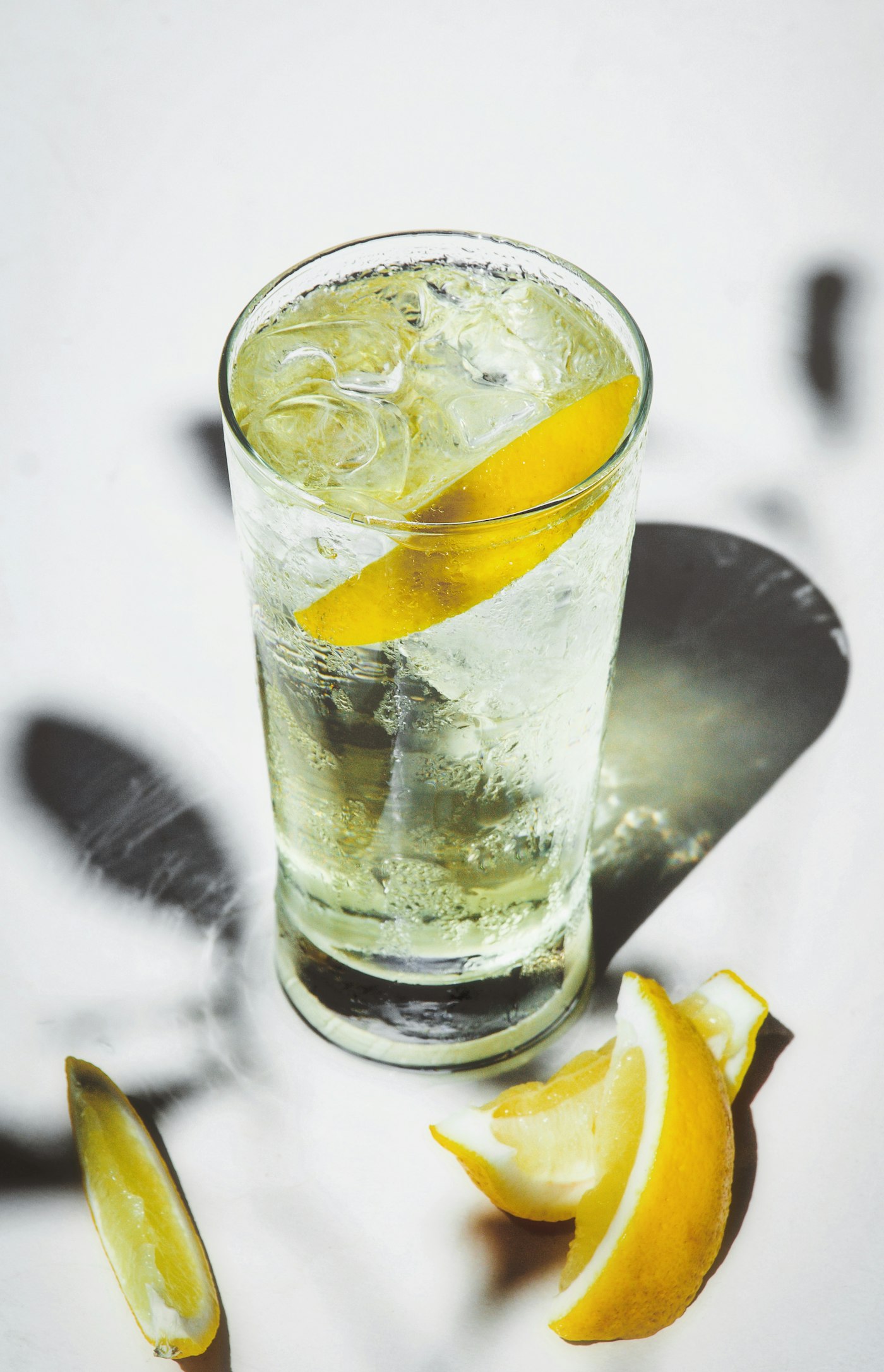
Decide your order before you arrive, and get your own first round. Soda water with lime in a tall glass looks like a gin and tonic and nobody looks twice — and buying it yourself settles what you’re drinking before anyone can hand you something else.
Have one sentence ready, and keep it light. “I’m off it for a month” invites nothing further; “I’m driving” ends the discussion instantly. The more casual you sound, the less interest anyone takes — people mostly ask out of a second’s curiosity, not because they need a reason.
Expect one person to push. Usually one, usually early, and usually it stops if you don’t engage. Repeating the same short sentence pleasantly beats a justification, which just gives them something to argue with.
Give yourself an exit. The last hour of a long night is where most slips happen — you’re tired, everyone’s several drinks ahead, and it’s stopped being fun anyway. Leaving at a time you chose in advance is the single most effective tactic here.
Suggest the venue sometimes. Breakfast, a walk, the cinema, someone’s kitchen. A month is long enough to notice how much socialising defaults to drinking.
What to drink instead
- Sparkling water with citrus and ice — a tall glass and a wedge of something makes more difference than it should.
- Alcohol-free beer, wine and spirits — far better than they used to be, and the closest thing to a like-for-like swap.
- Bitter mixers on their own — tonic, ginger ale, soda with bitters. Less sweet than soft drinks, which matters over a long evening.
- Herbal tea in the evening — genuinely useful if your drink was mostly about winding down.
- Something with a bit of ceremony. If part of the appeal was pouring something into a nice glass at the end of the day, keep that bit — it was doing more work than the alcohol was.
One honest caveat about alcohol-free drinks
They make the month much easier for a lot of people. For others they do the opposite — the same taste, smell and ritual without the drink can sharpen a craving rather than satisfy it. If one makes you want the real thing, skip them and go with something that tastes nothing like it.
What to expect from 30 days
The commonly reported changes are better sleep, steadier mornings, more even mood and noticeably more money. Most people report at least one; few report all of them, and a reasonable number find a month changes less than they hoped.
Two things worth knowing in advance. The first week can be worse rather than better — some people sleep badly for a few days before it improves, which makes them think it isn’t working. And the social discomfort usually fades faster than expected, somewhere in week two, once everyone around you has stopped finding it novel.
What a month off won’t do is fix anything underlying. If the drinking was doing a job — managing stress, anxiety, loneliness or sleep — removing it leaves that job undone, which tends to show up around week two or three. Not a reason to drink; a reason to be honest about what the drink was for, and to deal with that part properly, with help if it needs it.
What to do if you slip
Note it on the tracker and carry on with the next day. Don’t restart from day 1, don’t extend the month to compensate, and don’t treat the remaining days as wasted — that last one ends far more challenges than the drink did.
One slip in 30 days is a month that mostly worked. But if slips keep happening, or you find you can’t stop once you’ve started, that’s useful information rather than a personal failing — and it’s worth taking to a doctor or a local alcohol support service, which is a better next step than running the challenge again harder.
After day 30
Decide on purpose. Drifting straight back to the old pattern on day 31 is the one outcome that wastes the month, and it’s the most common one. Three honest options:
- Keep going. Plenty of people find they don’t especially want to go back, and 30 days is often where that becomes clear.
- Drink less, deliberately. Pick what actually changes — which days, which occasions, how much. “I’ll be more mindful” isn’t a plan. UK guidance puts low-risk drinking at no more than 14 units a week, spread over three or more days, which is a concrete number to work from.
- Get support. If the month was hard in a way that surprised you, that’s the signal to talk to a doctor rather than try a stricter challenge.
Whichever you pick, write it down the way you wrote down day 1. A decision made deliberately holds far better than one that happened to you.
Printable tracker
Thirty boxes, plus a weekly log for sleep, mood and money saved — the things you’ll forget you noticed.
Common questions
Is it safe to stop drinking suddenly?
For moderate drinkers, generally yes. For someone who drinks heavily or daily, not necessarily — the body can become physically dependent, and the NHS is explicit that stopping overnight could be harmful in that case, with medication sometimes needed to stop safely. If that might be you, the answer isn’t to keep drinking; it’s to see a doctor first and stop with support.
Will I sleep better?
Many people report better sleep, and it’s the most commonly cited change — but it’s not guaranteed and it isn’t always immediate. Some people sleep worse for the first several days before it settles. If that happens, it’s a known pattern rather than a sign the month isn’t working.
Do alcohol-free beers count?
Under these rules, yes — they’re allowed, and they make the social side much easier. Note that most contain a trace of alcohol rather than none, so if you want a strict zero, check the label. And if they make you want the real thing, drop them.
What if there’s a wedding or a holiday in my 30 days?
Move the month, or keep it and plan that day carefully. Carving out an exception in advance tends to turn into several, so pick one rather than leaving it open.
Will I lose weight?
Some people do and some don’t, and it depends far more on everything else they eat and do. Alcoholic drinks do contribute to what you consume, so removing them changes something — but a month off isn’t a weight-loss plan, and if that’s the goal, a habits-based approach is a better fit.
What to try next
If the month made you curious about other habits running on autopilot, cutting back on sugar is the usual next experiment. If what you noticed was the evening wind-down, that’s a sleep and stress question rather than a drinks one. And if the goal underneath was broader, the 30-day habits challenge for weight loss works the same way: small daily actions, nothing banned.
Sources
- Alcohol support — NHS. Source for the warning that stopping overnight could be harmful if you have become physically dependent, and for the withdrawal symptoms described.
- Alcohol units — NHS. Source for the low-risk guidance of no more than 14 units a week, spread over three or more days.

Tayiba Shabir
Tayiba writes LifestyleRoot’s home, living and habit guides — practical plans you can actually follow, without the hype. She isn’t a doctor, and this guide cites its sources rather than claiming expertise.
30-Day No Alcohol Challenge Tracker
Tick each day, and fill in the weekly log at the bottom — sleep, mood and money saved are the things you’ll forget you noticed. A slip gets a note, not a restart. If you drink heavily or every day, speak to a doctor before stopping.
Week 1 — set it up
- 1Write down why
- 2Buy two alternatives you like
- 3Tell one person
- 4Notice your usual time of day
- 5Put something else in that slot
- 6First weekend — decide your drink early
- 7Log week 1
Week 2 — the social week
- 8Pick your standard order
- 9Prepare your one sentence
- 10Plan a night out that isn’t a bar
- 11Notice a craving, let it pass
- 12Plan for your hardest moment
- 13Second weekend — arrive late or leave early
- 14Log week 2 · re-read your day 1 line
Week 3 — the flat bit
- 15Halfway. Novelty’s gone — normal
- 16Total the money so far
- 17A stressful day, handled differently
- 18Bed 30 minutes earlier
- 19Try a different alternative
- 20Third weekend — plan and an exit time
- 21Log week 3
Week 4 — finish and decide
- 22List what’s actually changed
- 23Has anyone stopped asking?
- 24Spend the money on something real
- 25Which situations were hard, and why
- 26Start planning day 31
- 27Last weekend
- 28What are you keeping?
- 29Decide: continue, moderate, or get support
- 30Done · log the final week
Weekly log
| Week | Sleep (1–5) | Mood (1–5) | Money saved | What I noticed |
|---|---|---|---|---|
| 1 | ||||
| 2 | ||||
| 3 | ||||
| 4 |
Slips (date and note, not a restart): ________________________________________
Day 31 plan: ☐ continue ☐ drink less, specifically: ______________________ ☐ talk to a doctor
General information only, not medical advice. If you drink heavily or every day, don’t stop suddenly without talking to a doctor — withdrawal can be dangerous. If you’re finding it hard to cut down, please talk to a doctor or a local support service. · lifestyleroot.com/habits-challenge/30-day-no-alcohol-challenge/