How to declutter kids’ toys without the meltdowns
The trick isn’t getting a child to agree that they own too much. It’s building a system where fewer toys are out at once and nothing has to be permanently lost.
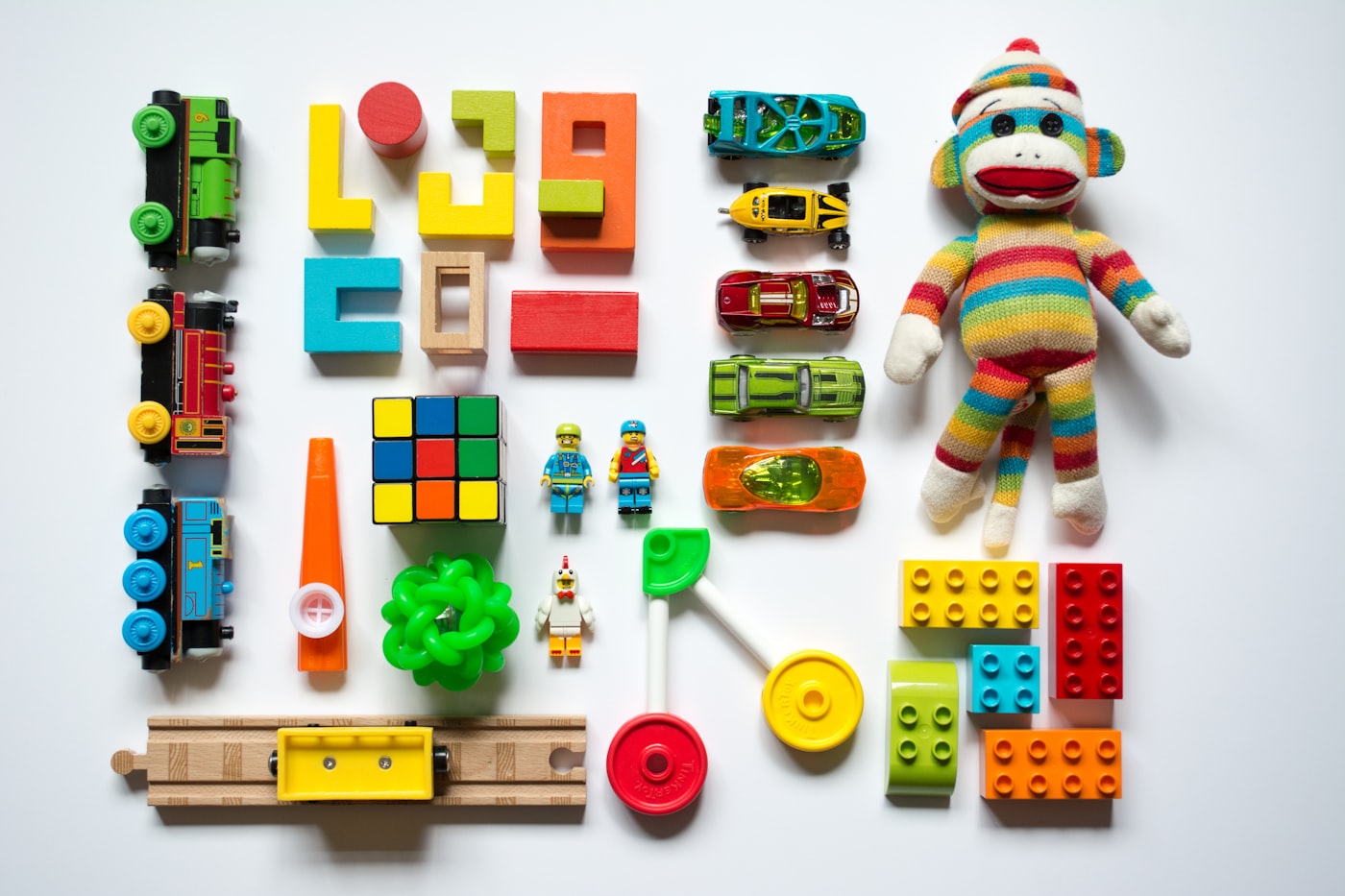
Most toy decluttering advice skips the part that makes it hard, which is that the toys belong to someone with opinions. A bin bag filled while they’re at school solves the floor and creates a different problem.
So start with the decision that actually comes first.
Should you declutter with your kids, or without them?
It depends almost entirely on age, and a single rule doesn’t hold across the range.
| Age | Approach | Why |
|---|---|---|
| Under 3 | Without them, generally | Little attachment to specific objects and no memory of what left. Involving them mostly adds distress without benefit. |
| 3–5 | Light involvement | They can pick favourites, which is a much easier task than picking losses. Keep sessions short. |
| 6–9 | Involve them properly | Old enough to notice and to mind. This is also the age where deciding is a genuinely useful thing to practise. |
| 10+ | Mostly their call | You can set limits on space. What goes within those limits is reasonably theirs. |
The honest caveat on the “without them” approach: it works until it doesn’t. Somewhere around five or six, children start noticing, and a child who discovers their things vanished while they were out learns something about what you’ll do with their belongings. That lesson tends to outlast the tidy playroom.
Toy rotation, which removes most of the argument
Before deciding what goes, reduce what’s out. Rotation is the highest-value thing on this page and it requires almost no negotiation, because nothing is being thrown away.
The method is simple. Divide the toys into three or four roughly equal groups, keeping each group varied rather than sorting by type. One group stays out. The rest go into storage — under a bed, on top of a wardrobe, in the loft. Every two to four weeks, swap.
Why it works better than culling:
- Toys that come back out get played with like new ones, often for longer than they were the first time.
- Fewer options means deeper play. A floor covered in choices is as overwhelming for a child as a full inbox is for an adult.
- Tidying up takes a fraction of the time when a third as much is out.
- Nothing is lost, so nobody has to be persuaded of anything.
- After two or three rotations you can see which toys were never asked for. That’s your list, and the child generated it without a conversation.
A few things stay out permanently regardless: a comfort toy, whatever the current obsession is, and anything too big to store easily. Don’t rotate a lovey. That’s a fight you’ll lose and should.
For storage, clear boxes beat opaque ones if the child needs to see what’s in them, and labelled opaque ones are fine for the stored sets you’re rotating. Our organization systems guide covers the general principle, which applies here: if putting something away takes more steps than leaving it out, it stays out.
Involving kids without the meltdown
Where this goes wrong is usually the framing. A few things help.
Ask them to choose favourites, not losses. “Pick the ten you love most for the shelf” is a game. “Which ones can we get rid of?” is a threat. Same outcome, completely different task.
Give real choices inside limits you set. You decide the box is this big. They decide what fills it. Children accept constraints far better when they have authority inside them.
Be careful with the donation framing. “Some children have no toys at all” is well meant and works for some kids. Others find it distressing, feel guilty about keeping anything, and learn that their things are a moral problem. A lighter version usually lands better: these ones are ready for a younger child to enjoy, like how you outgrew the baby ones.
“Graduating” works well for older toys. Framing it as moving up rather than losing something gives the child a role they want.
Time it deliberately. Not when they’re tired, not right before bed, not immediately after a birthday. Twenty minutes on a calm morning beats an hour at five o’clock.
And let them keep things you think are rubbish. The plastic thing from a party bag may be the most important object in the house this week. Winning that one costs more than it gains.
The part nobody mentions: it’s often the parent
Plenty of toys stay because of what the adult remembers about them, not because the child wants them. The first wooden blocks, the outfit from a first birthday, the thing bought before they were born. That’s a real attachment and worth taking seriously — but it belongs to you, not to them, and it’s worth being clear which is which. Our sentimental items guide covers how to keep the memory without keeping all of it: a box with a limit, and photographs of the rest.
What to actually get rid of
Start with the categories nobody will fight you on. You can clear a surprising volume before touching anything a child cares about:
- Broken things. Missing wheels, dead batteries in sealed units, torn books. If it doesn’t work it isn’t a toy.
- Incomplete sets. Puzzles missing pieces, board games with no dice, three cards from a deck.
- Clearly outgrown items — baby toys once they’re well past, though check before assuming; children often revisit these longer than expected.
- Duplicates. Four toy cars of the same kind, three identical stuffed dogs.
- Party bags and fast food toys. The single largest source of low-value volume in most homes. Most vanish unnoticed within a fortnight.
- The ones that never came back out. Two or three rotations gives you this list for free.
On the question people actually search for — how many toys should a child have — there’s no number, and anyone giving you one is guessing. The useful reframe is that the limit is your storage, not a figure. Whatever fits in the space you’ve allocated is the right amount; when it stops fitting, something goes. For younger children specifically, most parents find that somewhere around twenty to thirty pieces out at a time is plenty, and that more than that reduces how long anything holds attention. Treat that as a starting point to adjust, not a target.
Keeping it from rebuilding
Toys arrive faster than almost anything else in a house, and mostly not from you.
One-in-one-out works well here and children take to it more easily than adults do, particularly if introduced before a birthday rather than after. A pre-birthday clear-out, framed as making room for what’s coming, is much easier than the same conversation in January.
The harder conversation is with relatives, and it’s worth having once rather than seething annually. Being specific helps more than being general — a vague “please, less” sounds ungrateful and changes nothing. Asking for something concrete gives people a way to say yes:
We’re short on space this year, so we’re asking everyone for one thing rather than several. If you’d rather do something else entirely, she’d love a trip to the aquarium with you. Specific, warm, and gives them an alternative they might prefer.
Experiences, consumables, books and clothes all land well with grandparents who want to give something, and none of them add to the floor. Some families keep a running wishlist of specific items instead, which solves the volume problem and the duplicate problem at once.
Beyond that, the maintenance is the same as the rest of the house — a short daily reset rather than a monthly excavation. How to keep your house decluttered covers that, including what changes when there are children around.
Two questions parents ask
Should you throw toys away without telling your child?
Under three, it’s generally fine and causes nobody any distress. From about five onwards it’s a bigger gamble than it looks: if they notice, what they learn is that their belongings can disappear, which tends to make them cling harder to everything afterwards. If you’re going to do a quiet cull with an older child, keep it to the broken and outgrown, and be ready to be honest if asked.
How often should you rotate toys?
Every two to four weeks suits most families. Sooner and it’s a chore you’ll drop; much later and the sets stop feeling fresh. Watch the child rather than the calendar — when they stop engaging with what’s out, it’s time. Rainy weeks and school holidays are good moments to bring a set back early.
More on decluttering, organising and small spaces in the Home & Living pillar.

Tayiba Shabir
Tayiba writes LifestyleRoot’s home and living guides — decluttering, minimalist decor, and making small spaces work harder.
Related guides

How to keep your house decluttered
The daily reset, and what changes when there are children in the house.
How to declutter sentimental items
For the toys you’re keeping because of what you remember about them.

How to organize a small apartment
Where to store rotated toy sets when there’s no spare room to put them in.